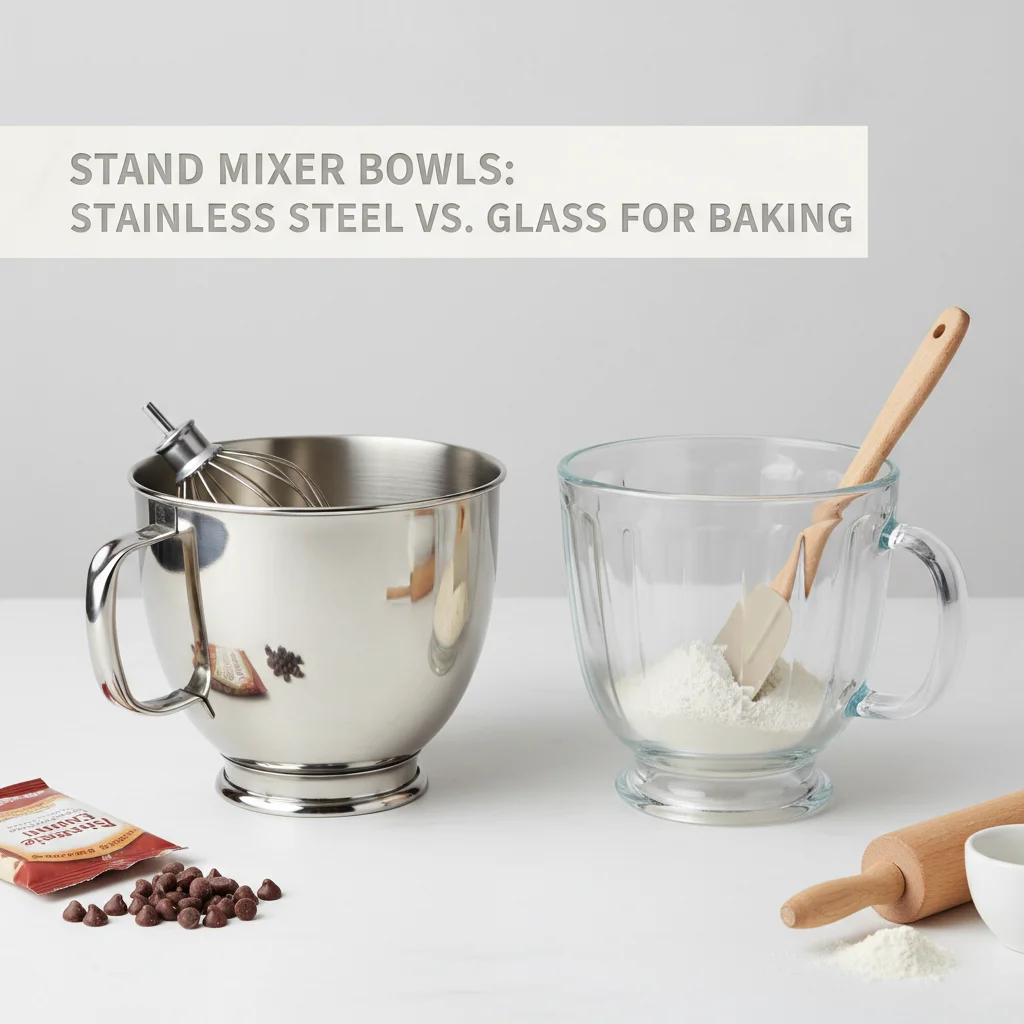
When choosing a stand mixer, the material of its bowl is a crucial consideration that impacts both performance and convenience. The two most common options are stainless steel and glass, each offering distinct advantages and disadvantages for bakers. Stainless steel bowls are generally preferred for their durability and lightweight nature, while glass bowls offer aesthetic appeal and the ability to monitor mixing progress visually. Understanding these differences will help you select the best bowl type for your specific baking needs.
Durability and Longevity
Stainless steel stand mixer bowls are renowned for their exceptional durability. They are resistant to dents, scratches, and rust, making them a long-lasting choice for frequent bakers. Unlike glass, they won’t shatter if accidentally dropped, which is a significant advantage in a busy kitchen environment. This robust construction ensures that a stainless steel bowl can withstand years of rigorous use, from kneading stiff doughs to whipping dense batters. For explore our stand mixer reviews on this site.
Glass bowls, while beautiful, are inherently more fragile. They are susceptible to breaking if dropped or subjected to sudden temperature changes. While modern tempered glass bowls are designed to be more resilient, they still require careful handling. For bakers who prioritize a worry-free experience and maximum longevity, stainless steel is the clear winner in terms of durability.
Weight and Handling
One of the most noticeable differences between the two materials is weight. Stainless steel bowls are significantly lighter than their glass counterparts. This makes them easier to lift, move, and pour from, especially when filled with heavy ingredients. The lighter weight also contributes to easier storage and less strain during cleanup.
Glass bowls, due to their material density, are considerably heavier. While this added weight can provide a stable base during mixing, it can also make them cumbersome to handle, particularly for those with limited hand strength or when transferring large batches of dough or batter. Consider your comfort and ease of use when making this choice.
Visibility and Aesthetics
|
Our Picks for the Best Stand Mixer in 2026
As an Amazon Associate I earn from qualifying purchases.
|
||
| Num | Product | Action |
|---|---|---|
| 1 | Stand Mixer, 6 QT 600W Tilt-Head Dough Mixer, 6+P speed Mixers Kitchen Electric Stand Mixer with Stainless Steel Bowl, Dishwasher-Safe Dough Hook, Flat Beater, Wire Whisk, Splash Guard, Grey |

|
| 2 | Hamilton Beach Electric Stand Mixer, 4 Quarts, Dough Hook, Flat Beater Attachments, Splash Guard, 7 Speeds with Whisk, Easy-Carry Top Handle, Blue |
|
| 3 | Hamilton Beach Electric Stand Mixer, 4 Quarts, Dough Hook, Flat Beater Attachments, Splash Guard, 7 Speeds with Whisk, Easy-Carry Top Handle, Aqua |
|
| 4 | Stand Mixer, 9-Quart Stainless Steel Bowl, 660W Professional Power, Multiple Speed Options, Sturdy Design, Easy to Clean, Lifetime Support, SM-1550(Caramel) |
|
| 5 | Stand Mixer, 6QT Electric Kitchen Mixer for Baking Cakes & Dough, LED Smart Touchscreen, 11-Speed Tilt-Head & Timer, 4 Presets, Mixer with Bowl, Dough Hook/Whisk/Beater, Green |
|
| 6 | Mini Angel Stand Mixer,10-Speed 5QT Kitchen Electric Mixer,Tilt-Head Food Mixer with Dough Hook, Wire Whisk, Flat Beater, Stainless Steel Bowl (Silver) |
|
| 7 | Stand Mixer, 6.5QT 10-Speed Tilt-Head Electric Stand Mixer, 3-In-1 Kitchen Mixer with Bowl, Dough Hook, Whisk and Beater, Food Mixer for Baking, Cake and Most Home Cooks, Pink |
|
| 8 | Cuisinart Stand Mixer, 12 Speed, 5.5 Quart Stainless Steel Bowl, Chef’s Whisk, Mixing Paddle, Dough Hook, Splash Guard w/ Pour Spout, Periwinkle Blue, SM-50TQNAS |
|
| 9 | 3-IN-1 Electric Stand Mixer, 6.5QT Bowl 660W 10-Speed Kitchen Mixer, Household Food Mixers include Dough Hook, Beater and Whisk, Bread Cake Mixer for Baking and Most Home Cooks, Green |
|
| 10 | 8.45 QT All Metal Stand Mixer,10 Speed Large Capacity Kitchen Mixer with Digital Timer & Tilt-Head, Electric Mixer with Whisk Dough Hook Mixing Beater for Baking,Cakes,Cookie,Bread,Salad(Silver) |
|
Glass bowls offer a distinct advantage in terms of visibility. Their transparent nature allows you to easily monitor the mixing process from all angles, ensuring ingredients are thoroughly combined without needing to stop the mixer and scrape down the sides as frequently. This visual feedback can be particularly helpful for delicate tasks like whipping egg whites or emulsifying sauces.
From an aesthetic perspective, glass bowls often have a more classic and elegant look that can complement various kitchen decors. Stainless steel bowls, while functional, offer a more industrial or professional appearance. If visual appeal and the ability to watch your ingredients transform are important to you, glass bowls are an excellent choice.
Temperature Control and Versatility
Stainless steel bowls are excellent conductors of temperature, which can be both an advantage and a disadvantage. They can be chilled quickly in the refrigerator or freezer, which is ideal for tasks requiring cold ingredients, such as whipping cream or making pastry dough. However, they can also heat up faster if exposed to warm environments, potentially affecting delicate mixtures.
Glass bowls are less reactive to temperature changes. They retain their temperature more consistently, which can be beneficial for certain recipes. However, they are not as efficient for rapid chilling or heating. Both types are generally safe for use in dishwashers, though always check manufacturer guidelines.
Cost Considerations
Generally, stainless steel stand mixer bowls tend to be more affordable than glass bowls, especially for standard models. The manufacturing process for stainless steel is often less complex, contributing to a lower price point. This makes them a budget-friendly option for many home bakers.
Glass bowls, particularly those made from tempered or specialized glass, can be more expensive. Their aesthetic appeal and the added benefit of visibility often come with a higher price tag. When budgeting for your stand mixer, consider the long-term value and your priorities regarding features and cost.
Which Bowl is Right for You?
The choice between stainless steel and glass ultimately depends on your individual baking habits and preferences. Here’s a quick summary to help you decide:
- Choose Stainless Steel if: You prioritize durability, lightweight handling, and a more budget-friendly option. You frequently make heavy doughs or need to chill ingredients quickly.
- Choose Glass if: You value visual monitoring of your mixing, appreciate a classic aesthetic, and are willing to handle the bowl with more care.
- Consider Both if: You want the best of both worlds. Many stand mixer brands offer both bowl types as accessories, allowing you to switch based on the recipe.
Both materials offer excellent performance, but understanding their unique characteristics will ensure you make the best choice for your kitchen.
Get our weekly buyer guide
Practical specs, not advice. Unsubscribe anytime.
