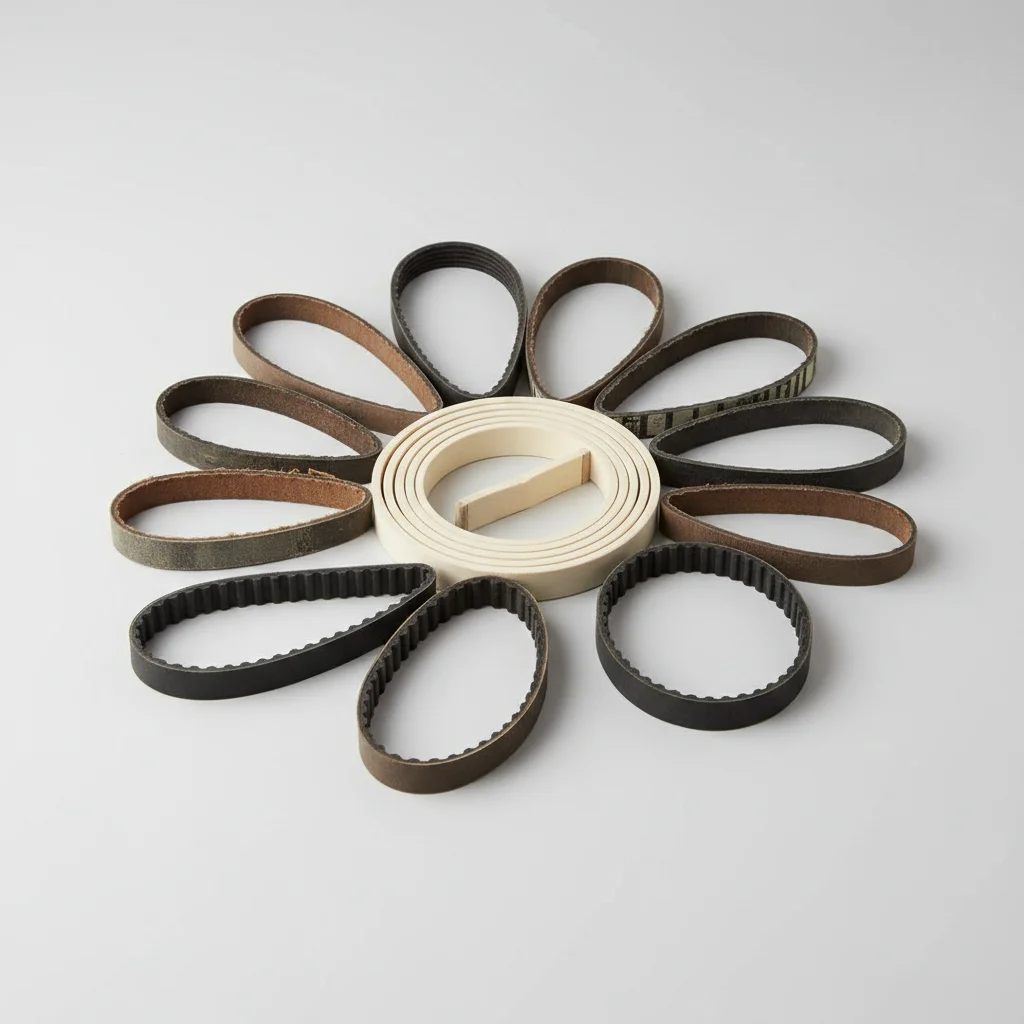
Stand mixer belts typically last between 5 to 10 years, depending on usage frequency, the type of tasks performed, and the mixer’s overall maintenance. For home bakers who use their mixer occasionally for lighter tasks, a belt can easily exceed 10 years. However, for frequent use, especially with heavy doughs, the lifespan might be closer to the 5-year mark. Recognizing the signs of wear and understanding proper care can significantly extend this duration.
Understanding Stand Mixer Belt Types
Most stand mixers utilize either a V-belt or a ribbed belt. V-belts are common in older models and some entry-level mixers, known for their durability and simple design. Ribbed belts, often found in more modern and professional-grade mixers, offer greater flexibility and power transmission, leading to smoother operation and potentially longer life under strenuous conditions. The material composition, usually a blend of rubber and synthetic fibers, also plays a crucial role in their longevity and resistance to wear and tear. For more stand mixer guides on this site.
Factors Influencing Belt Lifespan
Several factors directly impact how long a stand mixer belt will last. High-frequency use, particularly for tasks like kneading stiff bread dough or mixing dense batters, puts significant strain on the belt, accelerating wear. Overloading the mixer beyond its recommended capacity is another major contributor to premature belt failure. Additionally, environmental factors such as extreme temperature fluctuations or high humidity can degrade the belt material over time. Regular maintenance, including keeping the mixer clean and ensuring proper lubrication of internal components, can help mitigate some of these stressors.
Signs of a Worn or Failing Belt
|
Our Picks for the Best Stand Mixer in 2026
As an Amazon Associate I earn from qualifying purchases.
|
||
| Num | Product | Action |
|---|---|---|
| 1 | Mini Angel Stand Mixer,10-Speed 5QT Kitchen Electric Mixer,Tilt-Head Food Mixer with Dough Hook, Wire Whisk, Flat Beater, Stainless Steel Bowl (Silver) |

|
| 2 | 3-IN-1 Electric Stand Mixer, 6.5QT Bowl 660W 10-Speed Kitchen Mixer, Household Food Mixers include Dough Hook, Beater and Whisk, Bread Cake Mixer for Baking and Most Home Cooks, Green |
|
| 3 | Stand Mixer, 6 QT 600W Tilt-Head Dough Mixer, 6+P speed Mixers Kitchen Electric Stand Mixer with Stainless Steel Bowl, Dishwasher-Safe Dough Hook, Flat Beater, Wire Whisk, Splash Guard, Grey |
|
| 4 | Stand Mixer, 6QT Electric Kitchen Mixer for Baking Cakes & Dough, LED Smart Touchscreen, 11-Speed Tilt-Head & Timer, 4 Presets, Mixer with Bowl, Dough Hook/Whisk/Beater, Green |
|
| 5 | Stand Mixer, 9-Quart Stainless Steel Bowl, 660W Professional Power, Multiple Speed Options, Sturdy Design, Easy to Clean, Lifetime Support, SM-1550(Caramel) |
|
| 6 | Hamilton Beach Electric Stand Mixer, 4 Quarts, Dough Hook, Flat Beater Attachments, Splash Guard, 7 Speeds with Whisk, Easy-Carry Top Handle, Blue |
|
| 7 | Cuisinart Stand Mixer, 12 Speed, 5.5 Quart Stainless Steel Bowl, Chef’s Whisk, Mixing Paddle, Dough Hook, Splash Guard w/ Pour Spout, Periwinkle Blue, SM-50TQNAS |
|
| 8 | Stand Mixer, 6.5QT 10-Speed Tilt-Head Electric Stand Mixer, 3-In-1 Kitchen Mixer with Bowl, Dough Hook, Whisk and Beater, Food Mixer for Baking, Cake and Most Home Cooks, Pink |
|
| 9 | 8.45 QT All Metal Stand Mixer,10 Speed Large Capacity Kitchen Mixer with Digital Timer & Tilt-Head, Electric Mixer with Whisk Dough Hook Mixing Beater for Baking,Cakes,Cookie,Bread,Salad(Silver) |
|
| 10 | Hamilton Beach Electric Stand Mixer, 4 Quarts, Dough Hook, Flat Beater Attachments, Splash Guard, 7 Speeds with Whisk, Easy-Carry Top Handle, Aqua |
|
Identifying the early signs of a worn belt can prevent more significant damage to your stand mixer. Common indicators include a noticeable decrease in power, especially when mixing thicker ingredients, or the motor struggling to maintain speed. You might also hear unusual noises, such as squealing or grinding, which suggest the belt is slipping or deteriorating. Visible cracks, fraying, or a shiny, glazed appearance on the belt’s surface are clear physical signs that it’s time for a replacement. Ignoring these warnings can lead to complete belt failure and potentially damage other internal gears.
- Reduced mixing power or inconsistent speeds.
- Unusual noises like squealing, grinding, or clicking.
- Visible cracks, fraying, or glazing on the belt surface.
- Burning smell from the motor area.
- Mixer stopping unexpectedly during operation.
Replacing Your Stand Mixer Belt
Replacing a stand mixer belt is a task that many home bakers can undertake with basic tools and a little patience. The process typically involves disassembling the mixer’s housing, carefully removing the old belt, and installing the new one. It’s crucial to use a genuine replacement part or a high-quality aftermarket belt specifically designed for your mixer model to ensure proper fit and performance. Always consult your mixer’s service manual or an online tutorial for specific instructions. If you’re uncomfortable with the repair, professional servicing is always an option.
Preventative Maintenance for Belt Longevity
To maximize the life of your stand mixer belt, adopt a few preventative maintenance habits. Avoid continuously running the mixer at its highest speed for extended periods, especially with heavy loads. Always adhere to the manufacturer’s recommended capacity for ingredients. Regularly clean the exterior and interior (if accessible) of your mixer to prevent dust and debris buildup, which can interfere with moving parts. Storing your mixer in a cool, dry place away from direct sunlight also helps preserve the rubber components of the belt.
Get our weekly buyer guide
Practical specs, not advice. Unsubscribe anytime.
